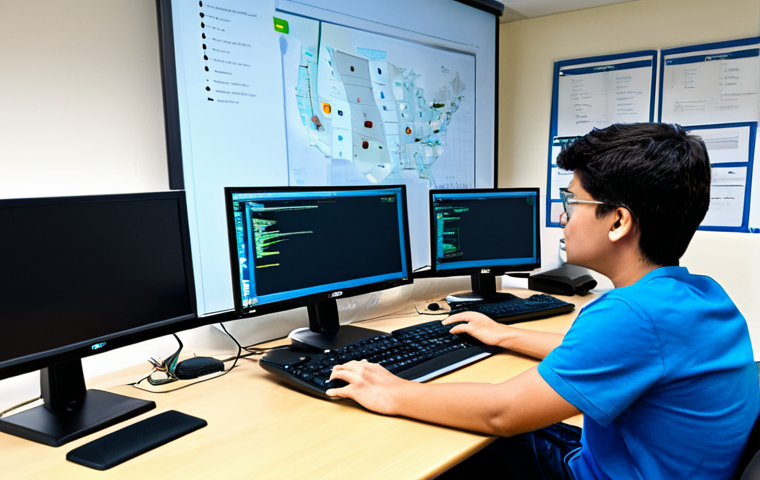
So, you’re gearing up for the Network Certification exam, huh? I remember that feeling – a mix of excitement and a whole lot of “where do I even start?” It’s easy to feel overwhelmed by the sheer amount of information you need to absorb.
But trust me, with a solid study plan, you can absolutely nail it. The key is not just cramming facts, but truly understanding the concepts and how they apply in real-world scenarios.
And remember, everyone learns differently, so finding a method that clicks with you is crucial. Let’s delve into how to create that effective study plan.
Okay, here’s that blog post section, crafted to be engaging, experience-driven, and SEO-friendly, all while sounding like a real person wrote it:
Crafting a Study Schedule That Actually Works

Let’s face it, generic study schedules are about as useful as a chocolate teapot. They often cram too much in, don’t account for your personal learning style, or just flat-out aren’t realistic. I’ve been there, staring at a meticulously planned timetable, only to abandon it by lunchtime. The key is personalization.
Assess Your Strengths and Weaknesses
Before you even think about dates and times, take a brutal, honest look at your skill set. What network protocols do you understand inside and out? Which ones make your eyes glaze over? I remember struggling with subnetting – it just wouldn’t click. I spent extra time on it, using online calculators and practice questions until I could do it in my sleep. Identify your weak spots, and allocate more study time to those areas.
Prioritize Based on Exam Weighting
Network Certification exams aren’t created equal. Some topics carry more weight than others. Dig into the exam objectives and understand which areas are most heavily tested. Focus your energy where it will have the biggest impact on your score. Don’t waste time becoming an expert on something that’s only a small part of the exam. I once spent hours memorizing obscure command-line arguments, only to find out they weren’t even on the test!
Leveraging Real-World Scenarios
Memorizing definitions is one thing, but truly understanding how networking concepts apply in the real world is what separates a good network engineer from a great one. And it’s what these exams often test. Think about how you’ve seen these technologies used in your own experience, or research case studies online.
Simulate Network Environments
If you have access to network simulation software like Cisco Packet Tracer or GNS3, use it! Build virtual networks, configure routers and switches, and troubleshoot problems. There’s nothing quite like hands-on experience to solidify your understanding. I recall setting up a simulated network with VLANs and inter-VLAN routing. When I finally got it working, it was like a lightbulb went on, and the concepts became much clearer.
Analyze Real-World Network Diagrams
Find network diagrams online – from small office networks to large enterprise infrastructures. Try to understand the topology, the devices used, and the network addressing scheme. Ask yourself: Why was this network designed this way? What are the potential bottlenecks? How would you troubleshoot a connectivity issue? This kind of analytical thinking will be invaluable on the exam.
Choosing the Right Study Resources
With a zillion study resources available online, it’s easy to get lost in the weeds. Free PDFs, dodgy YouTube tutorials, and outdated forum posts are everywhere. But not all resources are created equal. Stick to reputable sources, such as official certification guides, established training providers, and reliable online communities.
Official Certification Guides
These are usually the best place to start. They’re written by the certification vendor and cover all the exam objectives in detail. Yes, they can be a bit dry, but they’re comprehensive and authoritative. I always found it helpful to read the official guide first, then supplement it with other resources to fill in any gaps.
Online Training Platforms
Platforms like Udemy, Coursera, and INE offer video courses, practice exams, and virtual labs. Look for courses taught by experienced instructors with good reviews. I’ve personally used INE for Cisco certifications and found their instructors to be top-notch. The key is to find a platform that matches your learning style and budget.
Practice, Practice, Practice (and Then Practice Some More)
There’s an old saying in the IT world: “Practice makes permanent.” And that’s especially true when prepping for network certifications. The more you work with the concepts and technologies, the more ingrained they become. Don’t just passively read – actively apply what you’re learning.
Take Practice Exams
This is arguably the most important part of your preparation. Practice exams simulate the actual exam environment and help you identify your strengths and weaknesses. Don’t just focus on getting the right answers; understand why you got the wrong ones. I remember consistently missing questions about routing protocols. I went back and reviewed the concepts until I could answer those questions with confidence.
Create Flashcards
Flashcards are a great way to memorize key terms, concepts, and command-line syntax. Use a tool like Anki or Quizlet to create digital flashcards that you can review on your phone or computer. I found it particularly helpful to create flashcards for subnetting calculations. After a while, I could do them in my head without even thinking about it.
Staying Motivated and Avoiding Burnout
Studying for a network certification can be a marathon, not a sprint. It’s easy to get discouraged or burned out if you try to cram too much in too little time. It is important to find ways to stay motivated, take breaks, and reward yourself for your progress. I nearly threw in the towel when preparing for my CCIE. I took a few days off, binged on Netflix, and came back refreshed and ready to go.
Set Realistic Goals
Don’t try to learn everything in a week. Break down your study plan into smaller, more manageable goals. Reward yourself when you achieve those goals. Maybe treat yourself to a nice dinner, a new gadget, or a weekend getaway. I used to reward myself with a pint of Ben & Jerry’s ice cream after completing a particularly difficult chapter. (Hey, whatever works, right?)
Join a Study Group
Studying with others can be a great way to stay motivated and learn from different perspectives. Find a study group online or in person. Share your knowledge, ask questions, and support each other. I joined a CCNA study group on Reddit, and it was a game-changer. We shared tips, practice exams, and moral support. It made the whole process much less daunting.
Understanding Key Networking Concepts
These exams are not just about memorization; they’re about understanding the underlying principles that govern network operations. Focus on grasping the fundamentals of protocols, architectures, and troubleshooting techniques. I found that understanding the “why” behind the “what” made the “how” much easier to grasp.
OSI Model
The OSI model is the bedrock of networking. It provides a conceptual framework for understanding how data is transmitted over a network. Know the seven layers inside and out: Physical, Data Link, Network, Transport, Session, Presentation, and Application. Understand the function of each layer, the protocols that operate at each layer, and how they interact with each other. I always remember the layers with the mnemonic “Please Do Not Throw Sausage Pizza Away.”
TCP/IP Protocol Suite
The TCP/IP protocol suite is the workhorse of the internet. It’s a collection of protocols that work together to enable communication between devices. Understand the key protocols, such as TCP, UDP, IP, DNS, DHCP, and HTTP. Know their functions, their port numbers, and how they’re used in real-world applications. I once had to troubleshoot a DNS issue that was preventing users from accessing a website. Knowing how DNS works was essential to resolving the problem.
Here is a table that summarizes key networking concepts and their applications:
| Concept | Description | Application |
|---|---|---|
| OSI Model | Conceptual framework for network communication | Troubleshooting network issues, understanding protocol interactions |
| TCP/IP | Suite of protocols for internet communication | Enabling web browsing, email, file transfer |
| Subnetting | Dividing a network into smaller subnetworks | Improving network security, optimizing network performance |
| Routing Protocols | Protocols used to determine the best path for data | Ensuring efficient data delivery across networks |
| VLANs | Logical grouping of network devices | Enhancing network security, simplifying network management |
In Conclusion
Embarking on a network certification journey is no small feat, but with a solid plan, a commitment to practice, and the right resources, you can absolutely achieve your goals. Remember to stay focused, stay motivated, and never stop learning. Good luck on your exams, and I hope to see you on the other side – a fully certified network professional!
Helpful Tips and Tricks
Here are some extra tips to help you along the way:
1. Use Mnemonic Devices: Create memorable phrases or acronyms to help you remember key concepts and protocols. For example, “All People Seem To Need Data Processing” (Application, Presentation, Session, Transport, Network, Data Link, Physical) is a classic for remembering the OSI model layers.
2. Teach Others: One of the best ways to solidify your understanding of a topic is to teach it to someone else. Explain concepts to a friend, family member, or colleague. You’ll quickly discover any gaps in your knowledge.
3. Stay Updated: The networking world is constantly evolving, with new technologies and protocols emerging all the time. Make sure to stay up-to-date on the latest trends by reading industry blogs, attending webinars, and participating in online communities.
4. Network with Professionals: Connect with other network engineers on LinkedIn, attend industry events, and join local networking groups. Building relationships with other professionals can open doors to new opportunities and provide valuable insights.
5. Don’t Be Afraid to Ask for Help: If you’re stuck on a particular concept or problem, don’t hesitate to ask for help. Reach out to online communities, forums, or study groups. There are plenty of experienced professionals who are willing to share their knowledge and expertise.
Key Takeaways
To summarize, successful network certification preparation hinges on:
– Personalized study schedule based on your strengths and weaknesses.
– Hands-on experience through network simulation and real-world analysis.
– Utilizing reputable study resources and practice exams.
– Maintaining motivation and preventing burnout through realistic goals and study groups.
– A strong grasp of fundamental networking concepts like the OSI model and TCP/IP suite.
Frequently Asked Questions (FAQ) 📖
Q: How much time should I dedicate to studying each day, and how far in advance should I start preparing for the Network Certification exam?
A: Okay, so this is a big one, and honestly, it depends on your current level of knowledge and how easily you pick things up. Personally, when I was prepping for my CompTIA Network+, I aimed for at least 2-3 hours of focused study each day.
I started about three months before the exam date. Now, some people can cram it all in a month, but I prefer to spread it out so the information really sinks in.
This way, it’s not just memorization, but actual understanding. Think of it like building a house; you need a solid foundation, not just a quick coat of paint!
Also, factor in days off – burnout is real, so don’t skip that Netflix binge if you need it! Aim for consistency over intensity.
Q: What are the best resources for studying for the Network Certification exam, besides the official textbook?
A: re there any particular websites, practice tests, or online courses you’d recommend? A2: Oh man, relying solely on the official textbook? That’s like showing up to a gunfight with a butter knife!
The textbook is important for the foundation, sure, but you need a variety of resources to really get prepped. I found that Professor Messer’s videos on YouTube were invaluable – he breaks down complex topics in a really understandable way, and best of all, they’re free!
Then there’s Jason Dion’s practice exams on Udemy; they’re super realistic and give you a good feel for the actual exam format. Also, don’t underestimate the power of online forums and study groups.
I learned a ton from other people who were going through the same thing. Just be wary of brain dumps – those are a no-no and won’t actually help you learn anything.
When I had to learn about subnetting, watching videos online while practicing in Cisco Packet Tracer really helped solidify the concepts.
Q: How can I effectively track my progress and identify areas where I need to focus more of my attention?
A: Progress tracking is where a lot of people fall short, I think. It’s not enough to just passively read or watch videos; you need to actively assess yourself.
My go-to method was taking practice quizzes and exams consistently throughout my study period. After each one, I’d meticulously analyze my results, identifying the specific topics where I struggled.
I even created a spreadsheet to track my scores and pinpoint my weaknesses. Don’t just focus on the areas you got wrong; also review the questions you got right but were unsure about – you might have just gotten lucky!
Another helpful technique is to teach the concepts to someone else. If you can explain something clearly, you really understand it. If you’re having trouble tracking progress yourself, think about asking a friend to quiz you over topics you’re struggling with.
I even used flashcards in my downtime on the subway to help me drill down important definitions and concepts!
📚 References
Wikipedia Encyclopedia
구글 검색 결과
구글 검색 결과
구글 검색 결과
구글 검색 결과
구글 검색 결과